
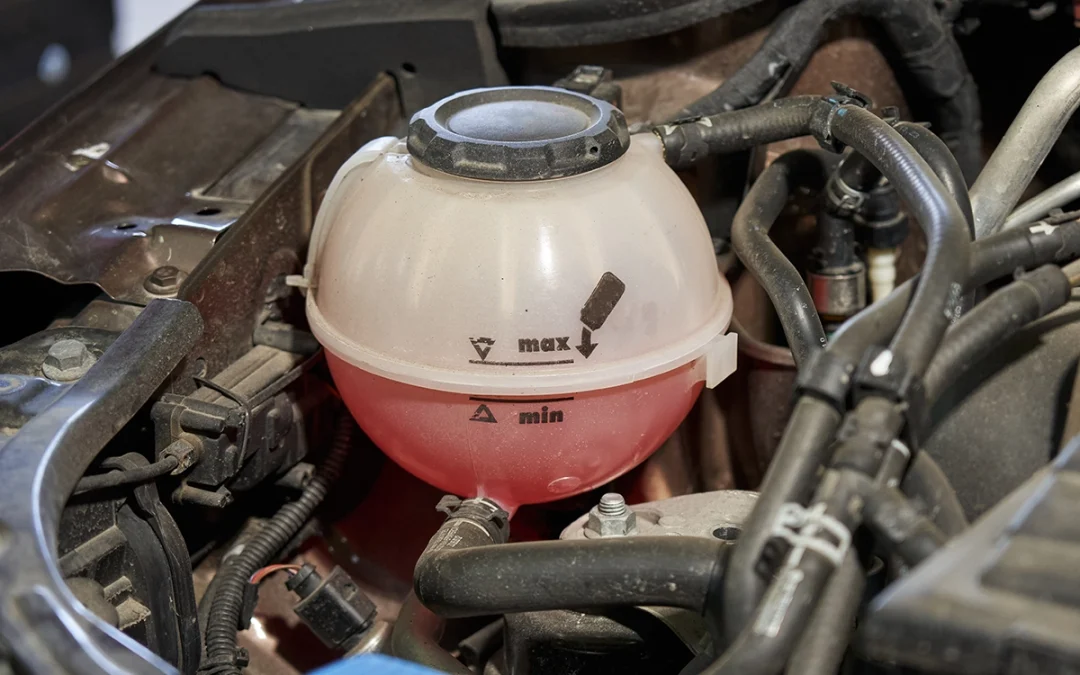
In Australia, we mostly just call it coolant – but you’ll still see the word “antifreeze” on some bottles and in plenty of online searches. It’s the same thing doing one job: coolant flows through your engine and radiator to carry heat away, stop the system boiling over, and protect the metal inside from rust. The main choice you’ll actually make at the counter is concentrate versus premix.
With frosty Bega Valley mornings on one side and hot summer towing on the other, your coolant works harder here than other places around the country.
This guide explains what coolant actually does, how to tell when it needs changing, and the winter checks worth doing before the cold really sets in.
What coolant does
Coolant flows through your engine and radiator, carrying heat away from the engine and releasing it through the radiator. But cooling is only half the job.
Good coolant also raises the boiling point so the system won’t overheat under load, protects the metal inside your engine from rust and corrosion, and lowers the freezing point for cold Bega mornings.
Plain water can’t do any of that – which is why a proper coolant mix matters.
Concentrate vs premix: what to buy
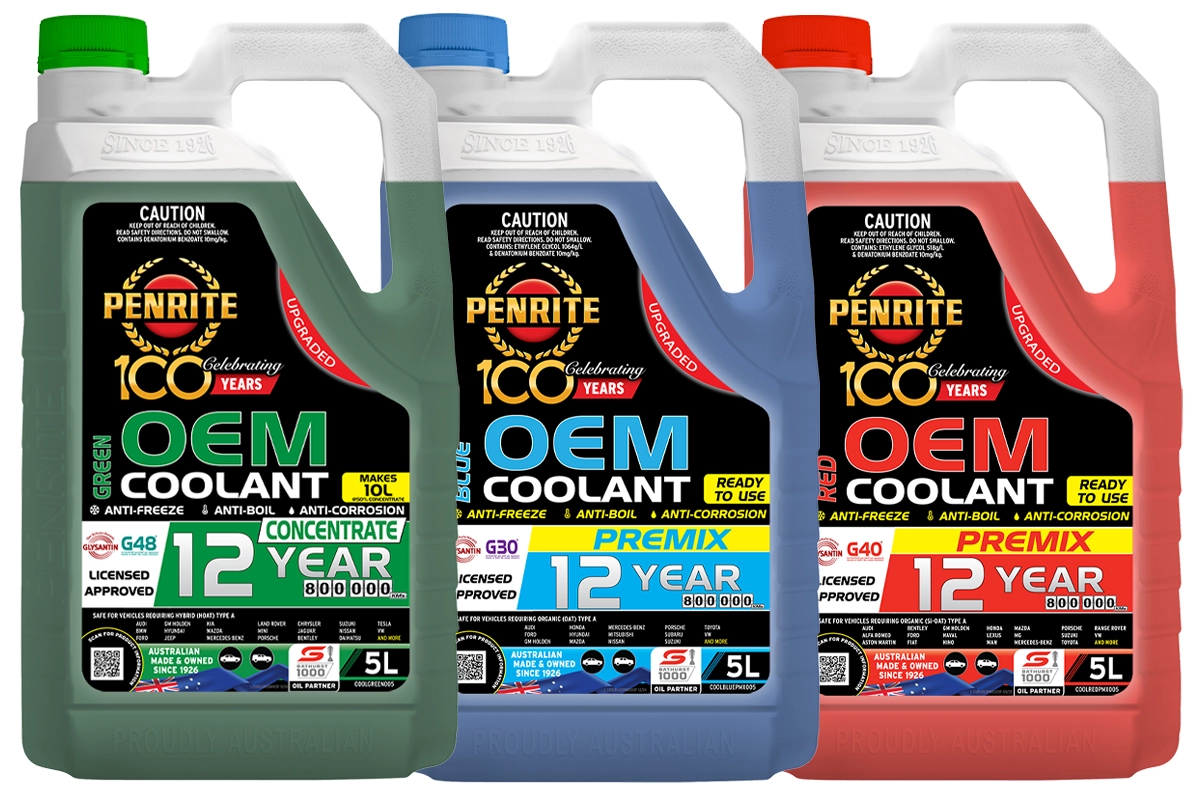
You’ll find coolant sold two ways. Concentrate needs mixing with demineralised water — usually around a 50/50 blend — before it goes in. Premix (sometimes labelled ‘ready to use’) is already diluted, so you just pour it in. Either works: premix is simpler, while concentrate is often better value if you mix it correctly.
The key point – don’t run straight water long-term, and don’t overdo the concentrate. The right ratio gives you the best protection against boiling, freezing and corrosion.
Winter cooling checks for country driving
Cold starts and long country runs are hard on a cooling system. Before winter bites, it’s worth a few quick checks.
- Check the level and colour: With the engine cold, look at the coolant in the overflow bottle. Top up with the correct type if it’s low.
- Look for leaks: Check hoses for cracks or soft spots and look for coloured stains under the car.
- Match the coolant type: Coolants aren’t all compatible. Mixing the wrong types can cause gelling, so always use the type your vehicle calls for.
If any of that turns up a problem, don’t put it off. A cheap hose or a fresh coolant flush is a lot easier than a cooked engine on the side of the highway.
How to check and top up your coolant safely
Checking your coolant takes a couple of minutes, but timing matters. Only ever open the radiator cap or check the level when the engine is completely cold – a hot cooling system is pressurised, and opening it can spray scalding coolant. If you’ve just been driving, give it an hour or two to cool right down first.
With the engine cold, look at the plastic overflow reservoir rather than the radiator itself. There are usually MIN and MAX marks on the side. If the level sits below MIN, top it up to the MAX line with the correct coolant for your vehicle – and don’t overfill.
- Use the right type: Match the coolant to what’s already in the system, or flush it first if you’re switching. Mixing incompatible coolants can cause gelling.
- Get the dilution right: If you’re using concentrate, pre-mix it with demineralised water before it goes in – don’t pour concentrate straight into the bottle.
- Find the cause: If you’re topping up often, there’s a leak or a worn cap somewhere. Get it found rather than just refilling every week.
If you’re ever unsure what type your car takes, bring your car’s details to the counter, and we’ll match it. Using the wrong coolant is one of the more common – and easily avoided – cooling-system mistakes we see across the counter.
Frequently asked questions
Can I use water instead of coolant?
Only in an emergency, and only for a short time.
Water alone won’t stop freezing or boiling and offers no corrosion protection, so it can damage your engine over time. Refill with the correct coolant as soon as you can.
How often should I change my coolant?
It varies by product and vehicle – some coolants last two years, others much longer. Check your owner’s manual for the interval, and change it sooner if the fluid looks dirty or discoloured.
Can I mix different coolant colours?
It’s best not to. Colour doesn’t reliably tell you the chemistry, and mixing incompatible types can cause gelling or reduced protection. If you’re switching types, flush the system first and use one coolant
How do I know which coolant is right for my car?
Your owner’s manual lists the coolant specification your engine needs, and it’s often printed near the radiator or on the reservoir. If you can’t find it, tell us your make, model and year, and we’ll match the correct coolant for you.
What happens if my coolant runs too low?
Low coolant means less fluid to carry heat away, so your engine can overheat – and an overheated engine can cause serious, expensive damage.
If your temperature gauge climbs into the red, pull over safely and let it cool before checking. Persistent low coolant points to a leak that needs finding.
Get in touch
Not sure which coolant your vehicle needs? The team at Parts4 Bega can match the right coolant to your car, ute or 4×4 – just call (02) 6492 5212 or drop into 115 Gipps Street.
Browse coolants and cooling parts on our Engine Oils, Coolants & Lubricants page.